CU Student-Athletes Reflect On Empowering BSAS Experience
June 05, 2026 | Football, General, Women's Basketball
EUGENE, Ore. — Four Colorado student athletes traveled to Eugene, Ore., from May 20-23 for the 2026 Black Student-Athlete Summit, a national gathering designed to educate, inspire and empower Black student-athletes and the professionals who support them.
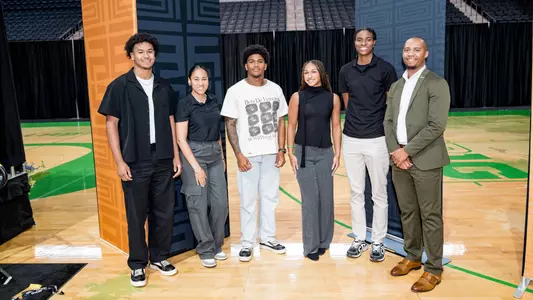
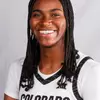
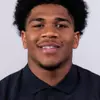
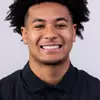
Logyn Greer of women's basketball, Maya Howard of spirit and cheer, and football defensive backs Naeten Mitchell and Cree Thomas represented the Buffs during the three-day event.
The Black Student Athlete Summit, or BSAS, was hosted by the University of Oregon and headlined by Nike. The event brought together more than 750 attendees from more than 115 universities, including representation from six Big 12 Conference institutions, all three NCAA divisions, NAIA and the University of Jamaica.
Founded in the 2014-15 school year, BSAS held its 11th event in 2026. The summit has been held every year except 2021, where it was held virtually.
This year's summit featured 96 sessions for student-athletes and staff, with programming centered on identity, leadership, career development, financial literacy, wellness, mental health, NIL, life after sport, medical and health care pathways, brand building, entrepreneurship and professional development. Representatives from across the sports industry were in attendance, including apparel professionals, former athletes, television personalities, professors, athletic administrators and industry leaders.
The 2026 theme, "Beyond NIL," encouraged student athletes to look past brand building and earning opportunities and focus on their overall development, purpose and impact beyond competition.
"I think it's important because even if you aren't necessarily participating in NIL at the maximum level, it still dominates a lot of the conversation of what the Division I student-athlete experience is," said DaWon Baker, CU Associate Athletic Director for Impact and Strategic Engagement. "It gave opportunities for athletes to expand their thinking past what their value and identity is beyond what their NIL value is. NIL is important, but it ain't the only thing, and it's not the most important thing."
Baker, who is also a co-founder of DIECE (Diversity, Inclusion and Equity Council of Excellence) , said the environment of BSAS created a meaningful space for Black student athletes to connect, reflect and grow. DIECE provides community and resources for individuals that are doing or are connected to advancing culture, impact, community, and access using the platform of sport.
"This will probably be one of, if not the only time that these athletes will be in a room with hundreds of other Black athletes all at one time," Baker said. "It creates a heightened sense of positive identity, pride and shared experience."
For Greer, the opportunity to hear from Black women in the sport industry made an immediate impact.
"There were three Black women from Nike, and one played basketball in the [WNBA] and in college," Greer said. "Her experience and what she went through stuck with me as a women's athlete."
Greer said one of her biggest takeaways was the importance of sharing her own story and understanding who she is beyond basketball.
"You never know who else could be going through the same thing," Greer said. "Just share my story, always be willing to talk about it and speak about it, because it is what makes you you."
Howard said representing CU as a member of the spirit program was special because BSAS created a space where every student-athlete felt included.
"I felt like it was a good opportunity for me," Howard said. "Everyone was treated as one, no matter what sport you played or what you did."
Howard also said the summit challenged her to use her voice more.
"I learned that being direct with what you want can help you in the real world," Howard said. "Closed mouths don't get fed, so speaking up is always better than keeping your mouth shut."
For Mitchell, BSAS offered lessons he believes can translate directly to the football program.
"I learned that leadership has a lot of phases to it," Mitchell said. "You [have to] communicate, you [have to] connect with people, you [have to] understand the outlook on certain things and you [have to] understand everybody that you're trying to lead."
Mitchell said the Summit also pushed him to think about his future beyond football.
"You got to think more than just football," Mitchell said. "After football, there's only one percent of football players that make it to the league, so you really got to think about your future, and you[have to] invest into yourself."
Connecting with student athletes from other universities also left an impression on Mitchell.
"It was big for me, especially being with my people, my race, just with the same vision and the same focus on trying to make it to the top of whatever field they're in," Mitchell said. "It was a lot of kids just looking to be great and wanting to understand more about their culture and about life."
Thomas said the experience provided an opportunity to connect with other Black student athletes from across the country while discussing shared experiences.
"It was a great experience just to get around other Black athletes around the nation doing their thing as well," Thomas said. "We got to talk about certain issues or problems that we may face being athletes and Black and going to predominantly white institutions, but something that I loved even more is just the fact that we were able to make connections and grow bonds with other Black athletes around the nation."
As a football student-athlete, Thomas said the summit helped him better understand the purpose that comes with his platform.
"It was really a reality check for me, being an athlete and having the platform that I do, that is still growing," Thomas said. "It showed me that I could do a lot with it. I feel like we take it for granted a lot as athletes. You have this platform, you can do something with it. You do not just have to keep it all for yourself."
Thomas said one of the most meaningful conversations focused on identity beyond sport.
"We had a talk with all the male athletes, and we talked about our identity outside of sports," Thomas said. "That really challenged me and showed me we cannot put ourselves into a box as athletes, and that is what a lot of us do."
For Thomas, the theme "Beyond NIL" reinforced that student-athletes should not be defined by money, attention or athletic performance alone.
"To me, Beyond NIL is just that the athlete is so much more than a price tag," Thomas said. "We are so much more than the dollar amount. We are so much more than views, and it is about showing people who we really are as a person and not just as an athlete."
CU Athletics has attended BSAS annually since 2019. Student-athletes can apply or be nominated by athletic staff or coaches to attend. Throughout the summit, CU participants took part in daily debriefs to reflect on sessions, share key takeaways and discuss ways to bring their experience back to Boulder.
Colorado believes in empowering all student-athletes, and BSAS is one of many student development opportunities available to Buffs throughout the school year. CU student-athletes also participate in programming such as Sports Camp of America, an international study abroad experience, the NCAA Student-Athlete Leadership Forum, Big 12 LIFT, Big 12 Beyond Borders and the NCAA Impact Forum.
Big 12 Beyond Borders provides student-athletes with a two-year experience that begins with travel to Washington, D.C., in year one before participants travel abroad in year two.
After attending BSAS, student athletes return to campus with new perspectives, leadership tools and ideas they can share with their teams and the department.
Baker said CU's continued investment in the summit is important because Black student-athletes deserve intentional development beyond their sport.
"Our investment in Black athletes [will continue] to expand and continue to grow past what we provide them for their sport," Baker said. "Attending something like the Black Student Athlete Summit is one of those rare opportunities where we're not asking them to be an athlete first."
The group will also meet with athletic staff and their teams to present on what they learned. Past CU cohorts have developed projects or initiatives to implement within the department, and the current group is planning its next steps following this year's summit.
"What that looks like for us is we schedule a time for them to meet directly with our athletic director to share their experience firsthand," Baker said. "We ask the student-athletes to do some type of project or initiative. The empowerment is the continued conversation and the continued expectation that they do more than just go to the summit."
For Mitchell, one word captured the experience.
"I would say connection," Mitchell said. "I connected with a lot of people, and I will definitely take advantage of the numbers that I got and reach out to them if I have any problems or questions in the future."
For Greer, Howard, Mitchell and Thomas, BSAS was more than a three day event. It was a chance to be in community, learn from leaders across the sports industry and return to Boulder with a renewed sense of purpose.
The lessons from Eugene will continue through team conversations, department presentations and the initiatives the group hopes to develop for future Buffs.
Logyn Greer of women's basketball, Maya Howard of spirit and cheer, and football defensive backs Naeten Mitchell and Cree Thomas represented the Buffs during the three-day event.
The Black Student Athlete Summit, or BSAS, was hosted by the University of Oregon and headlined by Nike. The event brought together more than 750 attendees from more than 115 universities, including representation from six Big 12 Conference institutions, all three NCAA divisions, NAIA and the University of Jamaica.
Founded in the 2014-15 school year, BSAS held its 11th event in 2026. The summit has been held every year except 2021, where it was held virtually.
This year's summit featured 96 sessions for student-athletes and staff, with programming centered on identity, leadership, career development, financial literacy, wellness, mental health, NIL, life after sport, medical and health care pathways, brand building, entrepreneurship and professional development. Representatives from across the sports industry were in attendance, including apparel professionals, former athletes, television personalities, professors, athletic administrators and industry leaders.
The 2026 theme, "Beyond NIL," encouraged student athletes to look past brand building and earning opportunities and focus on their overall development, purpose and impact beyond competition.
"I think it's important because even if you aren't necessarily participating in NIL at the maximum level, it still dominates a lot of the conversation of what the Division I student-athlete experience is," said DaWon Baker, CU Associate Athletic Director for Impact and Strategic Engagement. "It gave opportunities for athletes to expand their thinking past what their value and identity is beyond what their NIL value is. NIL is important, but it ain't the only thing, and it's not the most important thing."
Baker, who is also a co-founder of DIECE (Diversity, Inclusion and Equity Council of Excellence) , said the environment of BSAS created a meaningful space for Black student athletes to connect, reflect and grow. DIECE provides community and resources for individuals that are doing or are connected to advancing culture, impact, community, and access using the platform of sport.
"This will probably be one of, if not the only time that these athletes will be in a room with hundreds of other Black athletes all at one time," Baker said. "It creates a heightened sense of positive identity, pride and shared experience."
For Greer, the opportunity to hear from Black women in the sport industry made an immediate impact.
"There were three Black women from Nike, and one played basketball in the [WNBA] and in college," Greer said. "Her experience and what she went through stuck with me as a women's athlete."
Greer said one of her biggest takeaways was the importance of sharing her own story and understanding who she is beyond basketball.
"You never know who else could be going through the same thing," Greer said. "Just share my story, always be willing to talk about it and speak about it, because it is what makes you you."
Howard said representing CU as a member of the spirit program was special because BSAS created a space where every student-athlete felt included.
"I felt like it was a good opportunity for me," Howard said. "Everyone was treated as one, no matter what sport you played or what you did."
Howard also said the summit challenged her to use her voice more.
"I learned that being direct with what you want can help you in the real world," Howard said. "Closed mouths don't get fed, so speaking up is always better than keeping your mouth shut."
For Mitchell, BSAS offered lessons he believes can translate directly to the football program.
"I learned that leadership has a lot of phases to it," Mitchell said. "You [have to] communicate, you [have to] connect with people, you [have to] understand the outlook on certain things and you [have to] understand everybody that you're trying to lead."
Mitchell said the Summit also pushed him to think about his future beyond football.
"You got to think more than just football," Mitchell said. "After football, there's only one percent of football players that make it to the league, so you really got to think about your future, and you[have to] invest into yourself."
Connecting with student athletes from other universities also left an impression on Mitchell.
"It was big for me, especially being with my people, my race, just with the same vision and the same focus on trying to make it to the top of whatever field they're in," Mitchell said. "It was a lot of kids just looking to be great and wanting to understand more about their culture and about life."
Thomas said the experience provided an opportunity to connect with other Black student athletes from across the country while discussing shared experiences.
"It was a great experience just to get around other Black athletes around the nation doing their thing as well," Thomas said. "We got to talk about certain issues or problems that we may face being athletes and Black and going to predominantly white institutions, but something that I loved even more is just the fact that we were able to make connections and grow bonds with other Black athletes around the nation."
As a football student-athlete, Thomas said the summit helped him better understand the purpose that comes with his platform.
"It was really a reality check for me, being an athlete and having the platform that I do, that is still growing," Thomas said. "It showed me that I could do a lot with it. I feel like we take it for granted a lot as athletes. You have this platform, you can do something with it. You do not just have to keep it all for yourself."
Thomas said one of the most meaningful conversations focused on identity beyond sport.
"We had a talk with all the male athletes, and we talked about our identity outside of sports," Thomas said. "That really challenged me and showed me we cannot put ourselves into a box as athletes, and that is what a lot of us do."
For Thomas, the theme "Beyond NIL" reinforced that student-athletes should not be defined by money, attention or athletic performance alone.
"To me, Beyond NIL is just that the athlete is so much more than a price tag," Thomas said. "We are so much more than the dollar amount. We are so much more than views, and it is about showing people who we really are as a person and not just as an athlete."
CU Athletics has attended BSAS annually since 2019. Student-athletes can apply or be nominated by athletic staff or coaches to attend. Throughout the summit, CU participants took part in daily debriefs to reflect on sessions, share key takeaways and discuss ways to bring their experience back to Boulder.
Colorado believes in empowering all student-athletes, and BSAS is one of many student development opportunities available to Buffs throughout the school year. CU student-athletes also participate in programming such as Sports Camp of America, an international study abroad experience, the NCAA Student-Athlete Leadership Forum, Big 12 LIFT, Big 12 Beyond Borders and the NCAA Impact Forum.
Big 12 Beyond Borders provides student-athletes with a two-year experience that begins with travel to Washington, D.C., in year one before participants travel abroad in year two.
After attending BSAS, student athletes return to campus with new perspectives, leadership tools and ideas they can share with their teams and the department.
Baker said CU's continued investment in the summit is important because Black student-athletes deserve intentional development beyond their sport.
"Our investment in Black athletes [will continue] to expand and continue to grow past what we provide them for their sport," Baker said. "Attending something like the Black Student Athlete Summit is one of those rare opportunities where we're not asking them to be an athlete first."
The group will also meet with athletic staff and their teams to present on what they learned. Past CU cohorts have developed projects or initiatives to implement within the department, and the current group is planning its next steps following this year's summit.
"What that looks like for us is we schedule a time for them to meet directly with our athletic director to share their experience firsthand," Baker said. "We ask the student-athletes to do some type of project or initiative. The empowerment is the continued conversation and the continued expectation that they do more than just go to the summit."
For Mitchell, one word captured the experience.
"I would say connection," Mitchell said. "I connected with a lot of people, and I will definitely take advantage of the numbers that I got and reach out to them if I have any problems or questions in the future."
For Greer, Howard, Mitchell and Thomas, BSAS was more than a three day event. It was a chance to be in community, learn from leaders across the sports industry and return to Boulder with a renewed sense of purpose.
The lessons from Eugene will continue through team conversations, department presentations and the initiatives the group hopes to develop for future Buffs.

Players Mentioned
Friday, September 25
Thursday, September 24
Thursday, September 24
Wednesday, September 23